WHEN TO SET OUTSIDE
Two weeks after the last frost, when the soil has warmed.
PLACEMENT & CULTIVATION
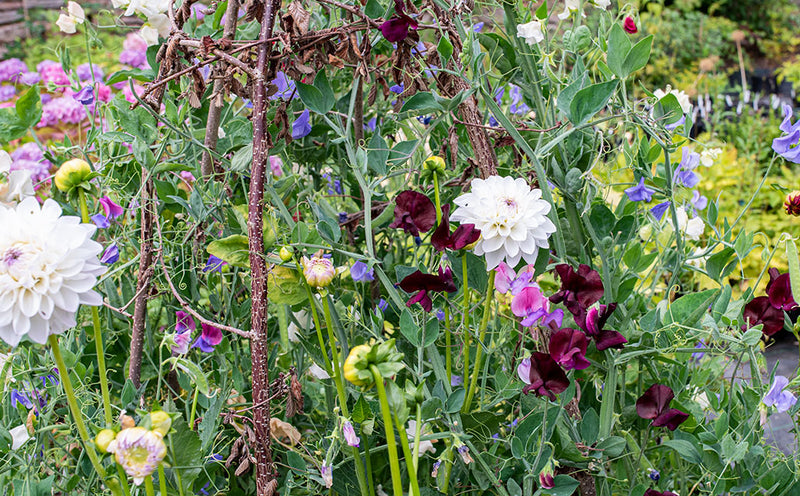
Dahlia are easy to grow and fill the mid-to back border with brilliant colors and a generous supply of cut flowers. Pinch back tips when plants reach about 6-12" tall to encourage bushiness and stake early to support the brittle branches in windy or heavy summer rain areas. Mulch helps keep the soil cool and moist during the hottest part of summer. Keep cutting for bouquets for continual bloom until frost. A week after frost, dig up the tubers, if desired (leaving 4" of the stem), and store in damp sand or peat moss in a cool location, such as a basement, until spring. An unusual edible, in their native Mexico the tubers were eaten. Flower petals can be used in edible flower confetti or as a garnish.
Watering Details:
Water regularly, 1" per week.
Soil pH:
Slightly acidic to neutral
Fertilizer:
Mix in 3" inches of compost prior to planting in lower fertility soils. Supplement with a bloom-boosting organic granular fertilizer in midsummer.
Diseases & Pests:
Japanese beetles damage Dahlia foliage and flowers. Knock them off into a bucket of soapy water; this is best done early in the morning. Combat slugs by scattering crushed eggshells or iron phosphate slug bait pellets on the soil surrounding the plants. Prevent fungal problems with proper spacing in an area with good air circulation and excellent soil drainage.
When to Cut for Bouquets:
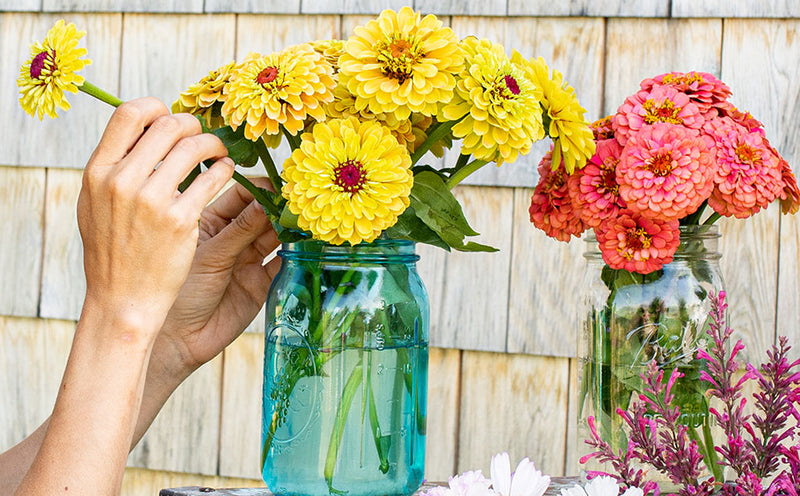
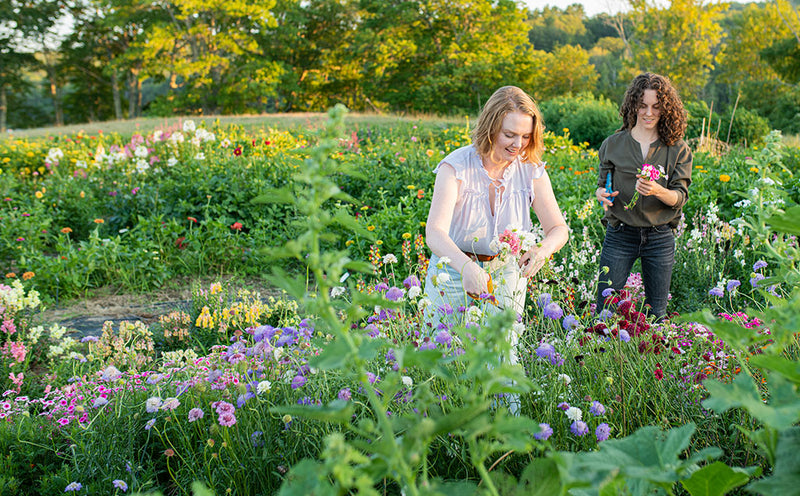
Harvest when flowers are half to fully open; best cut in the cool of the morning.